
AI Empowering the Cultural Industry: Strengthening Malaysia–China Industrial Collaboration and Business Partnerships
On 22 April, the 2026 Malaysia–China Cultural Innovation & Exchange and Business Ecosystem Summit (Kuala Lumpur) was successfully held in Kuala Lumpur, Malaysia, as one of the flagship overseas events of the China International Fair for Trade in Services (CIFTIS).
Held under the theme “AI Empowering the Cultural Industry: Deepening Malaysia–China Collaboration,” the summit brought together government representatives, industry leaders, academic institutions, and businesses from both countries to explore new opportunities in cultural innovation, trade and investment, enterprise development, and localized business expansion. Discussions focused on key areas including trade in services, the digital economy, artificial intelligence, international brand expansion, and regional market collaboration, fostering stronger bilateral partnerships and generating practical outcomes for future cooperation.
The event was jointly organized by Capital Exhibition & Convention Group and the Asian Innovation Research Hub (AIRH), with support from the Beijing International Trade in Services Affairs Center. It was co-hosted by Beijing Xinxiang Yinghua Culture & Media Co., Ltd. and Vesion Sdn. Bhd. of Malaysia, bringing together a wide range of government agencies, enterprises, universities, and industry organizations from both countries. The summit showcased a collaborative model driven by government support, business leadership, and close cooperation between industry, academia, and research institutions.
Deputy Minister Highlights New Opportunities at the Intersection of Culture and Technology
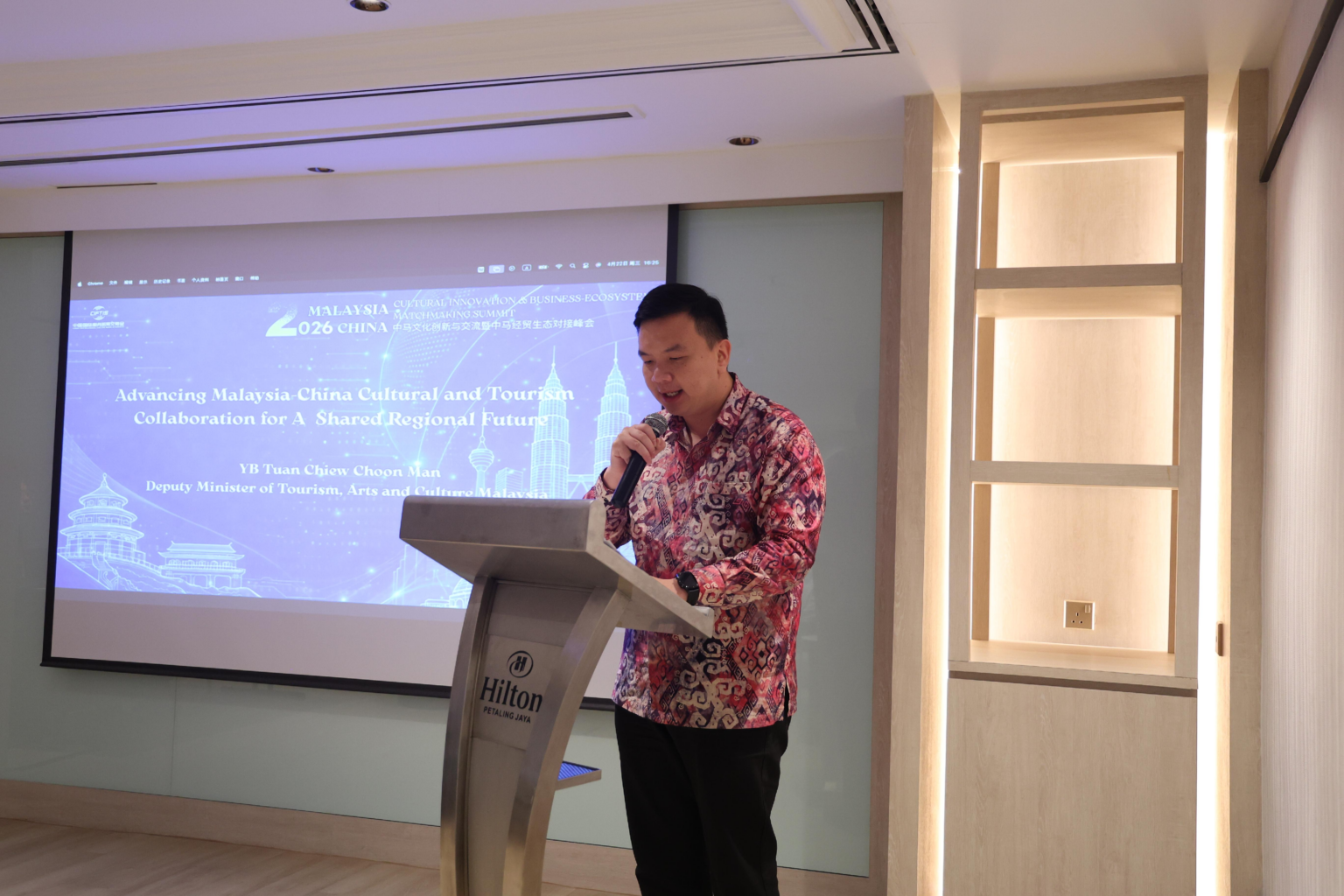
Delivering the keynote opening address, YB Tuan Chiew Choon Man, Deputy Minister of Tourism, Arts and Culture Malaysia, emphasized that as digital transformation and intelligent technologies continue to accelerate worldwide, culture and tourism are becoming increasingly important bridges connecting nations and people. Artificial intelligence, digital media, and emerging technologies are reshaping the cultural value chain, creating unprecedented opportunities for the cultural and creative industries.
He noted that Malaysia and China possess highly complementary strengths. Malaysia offers rich multicultural resources and serves as a strategic regional hub, while China leads in digital infrastructure development and content innovation. He called for deeper collaboration in cultural content creation, tourism integration, and industrial cooperation, encouraging both countries to transform dialogue into concrete projects that deliver sustainable and high-quality development.
Industry Leaders Drive Meaningful Dialogue Through Roundtable Discussions
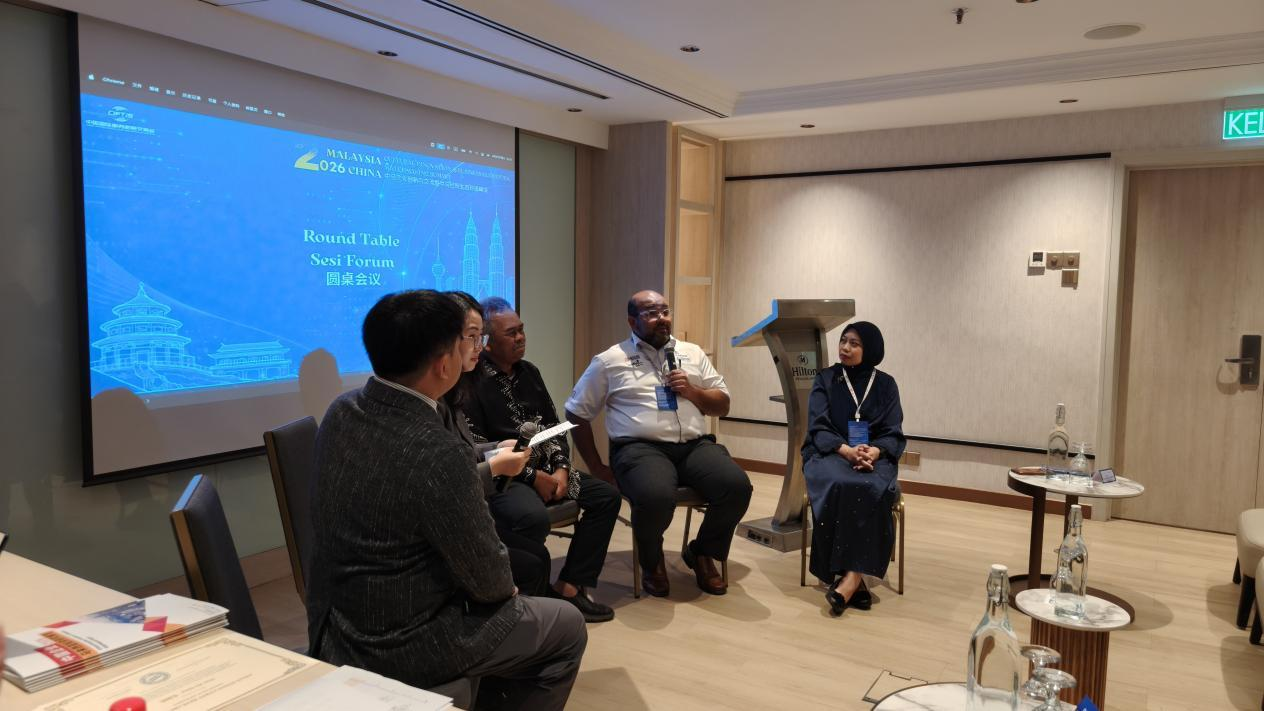
The summit’s roundtable forum featured distinguished representatives from government, industry, and academia who shared insights into the future of cultural innovation and AI-driven industrial development.
The National Film Development Corporation Malaysia (FINAS) presented its policy framework and industry support initiatives, providing valuable perspectives on the development of Malaysia’s creative content ecosystem.
Representatives from Les’ Copaque Production Sdn. Bhd., the award-winning studio behind the internationally recognized Upin & Ipin franchise, shared their experience in developing successful homegrown intellectual property (IP) and expanding Malaysian creative content into international markets. Their presentation highlighted the growing role of original content in strengthening regional cultural influence.
Malaysia’s immersive content company Super T.i explored how artificial intelligence is transforming user experiences, enabling new content formats and innovative business models, while demonstrating the potential of emerging technologies to accelerate the convergence of culture and digital innovation.
Representatives from Universiti Malaya presented academic research and industry applications of AI in content creation, emphasizing the critical role universities play in fostering industry-academia collaboration, accelerating technology commercialization, and supporting the transformation of the cultural and creative industries.
Collectively, the discussions brought together complementary perspectives spanning policy, content creation, distribution, and application scenarios, outlining practical pathways for deeper Malaysia–China collaboration across the cultural sector.
Business Innovation Demonstrates the Practical Impact of AI
The keynote presentations further underscored the essential role of businesses in translating innovation into real-world applications.
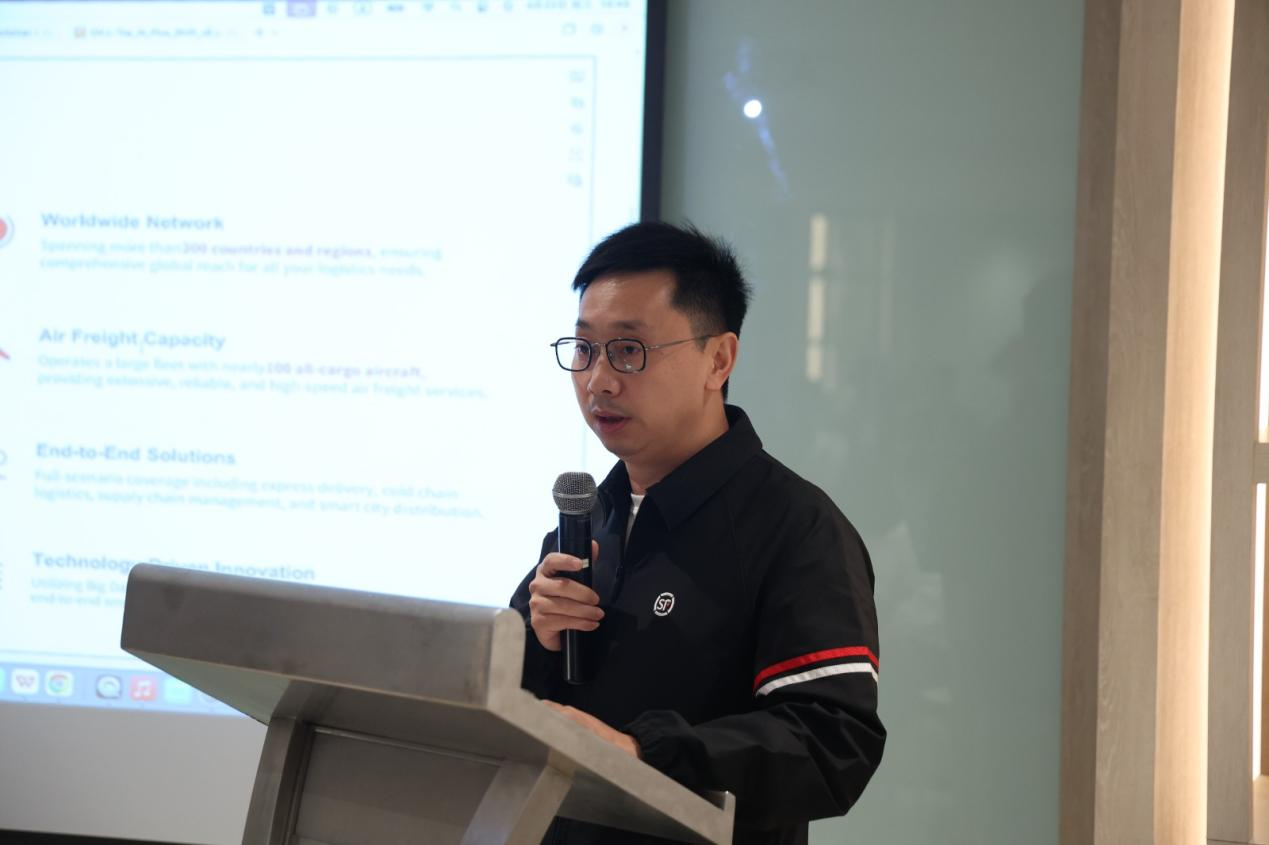
Representatives from SF International Express Malaysia shared practical insights into how artificial intelligence is driving the evolution of smart logistics, showcasing the company’s experience in cross-border supply chains and industrial collaboration. Their presentation highlighted the important role of technology-driven enterprises in strengthening Malaysia–China trade and regional business connectivity.
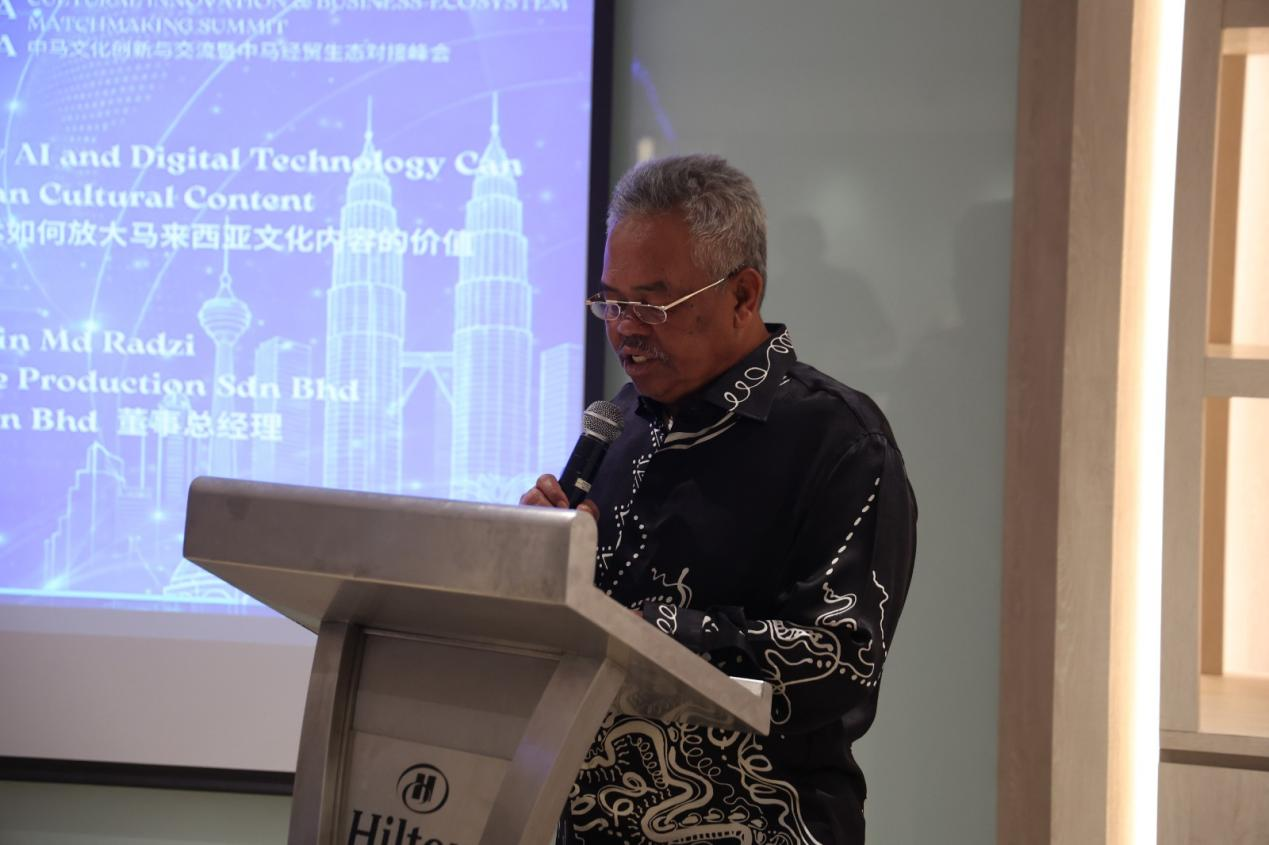
Meanwhile, Les’ Copaque Production Sdn. Bhd. explored how AI and digital technologies are enhancing the value of local intellectual property, expanding regional distribution, and unlocking new commercial opportunities for the cultural content industry.
Representatives from universities and industry organizations also exchanged views on topics including industry-academia collaboration and the digital transformation of SMEs, reinforcing the importance of coordinated development across the entire innovation ecosystem.
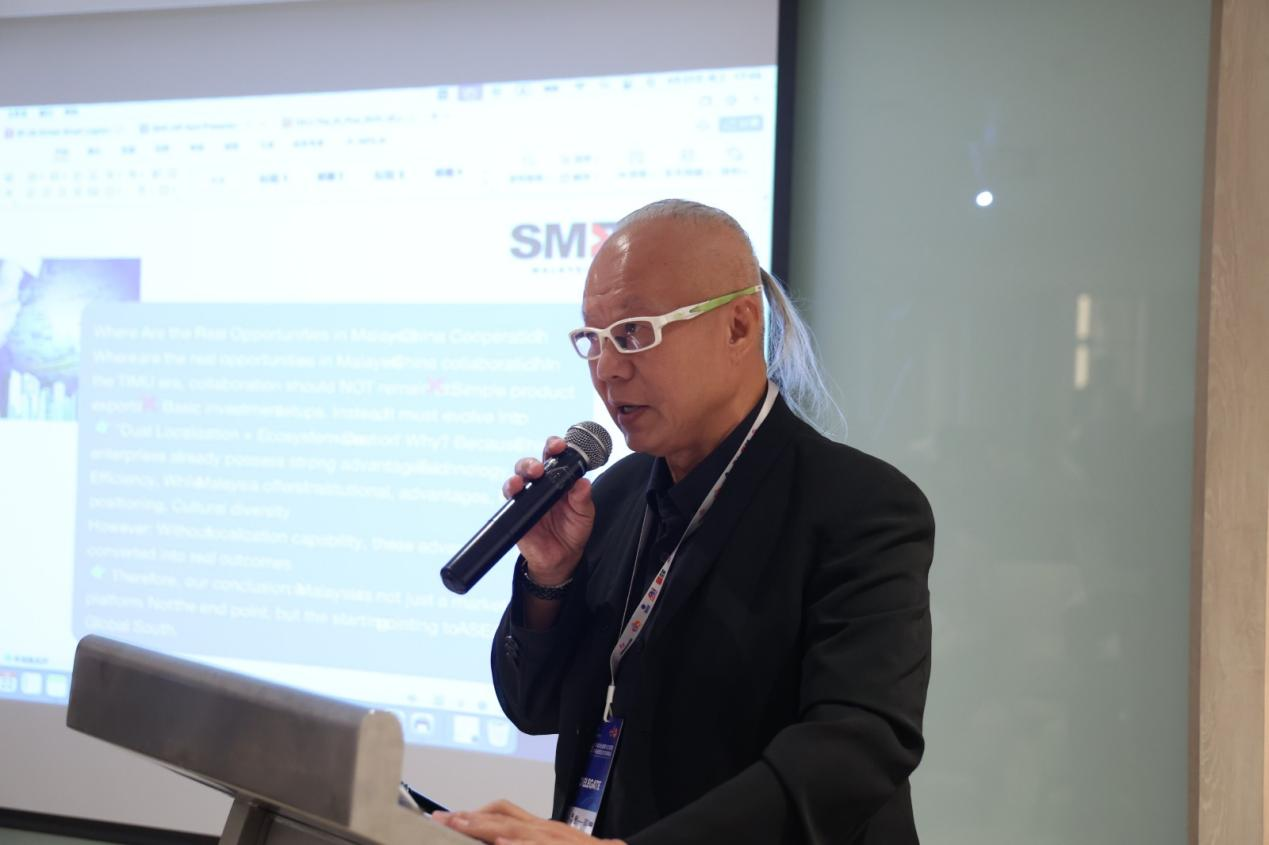
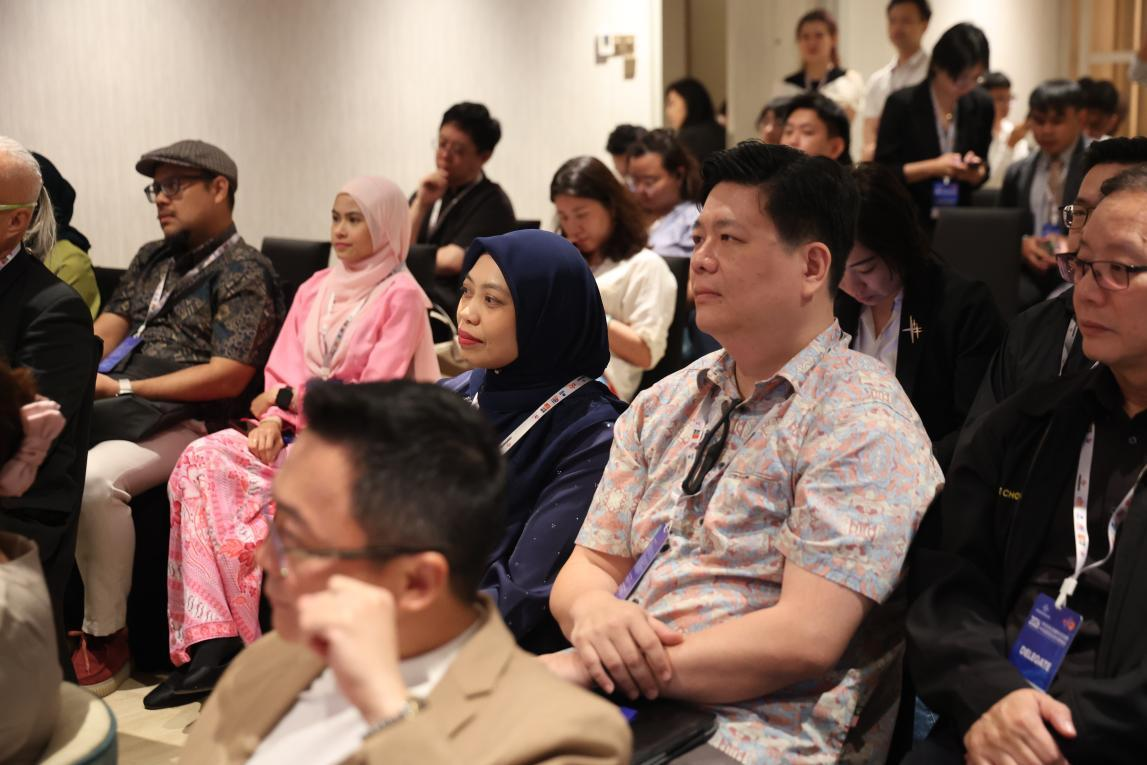
Pictured is a representative from the Malaysian SME Trade Union, sharing on-the-ground observations about ‘AI-Ready SMEs
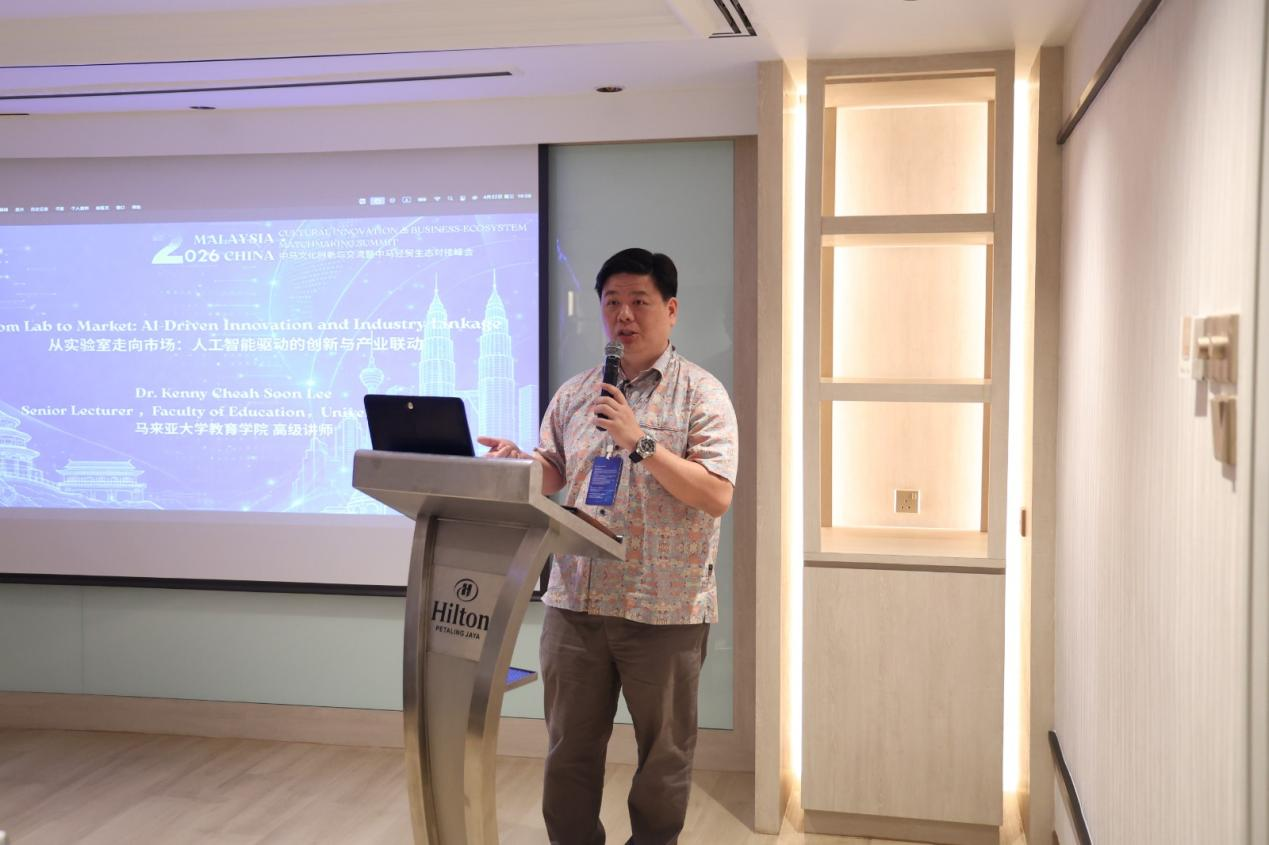
Pictured are guests from the Faculty of Education, University of Malaya, engaging in a discussion on ‘From Lab to Market: AI-Driven Innovation and Industry Collaboration
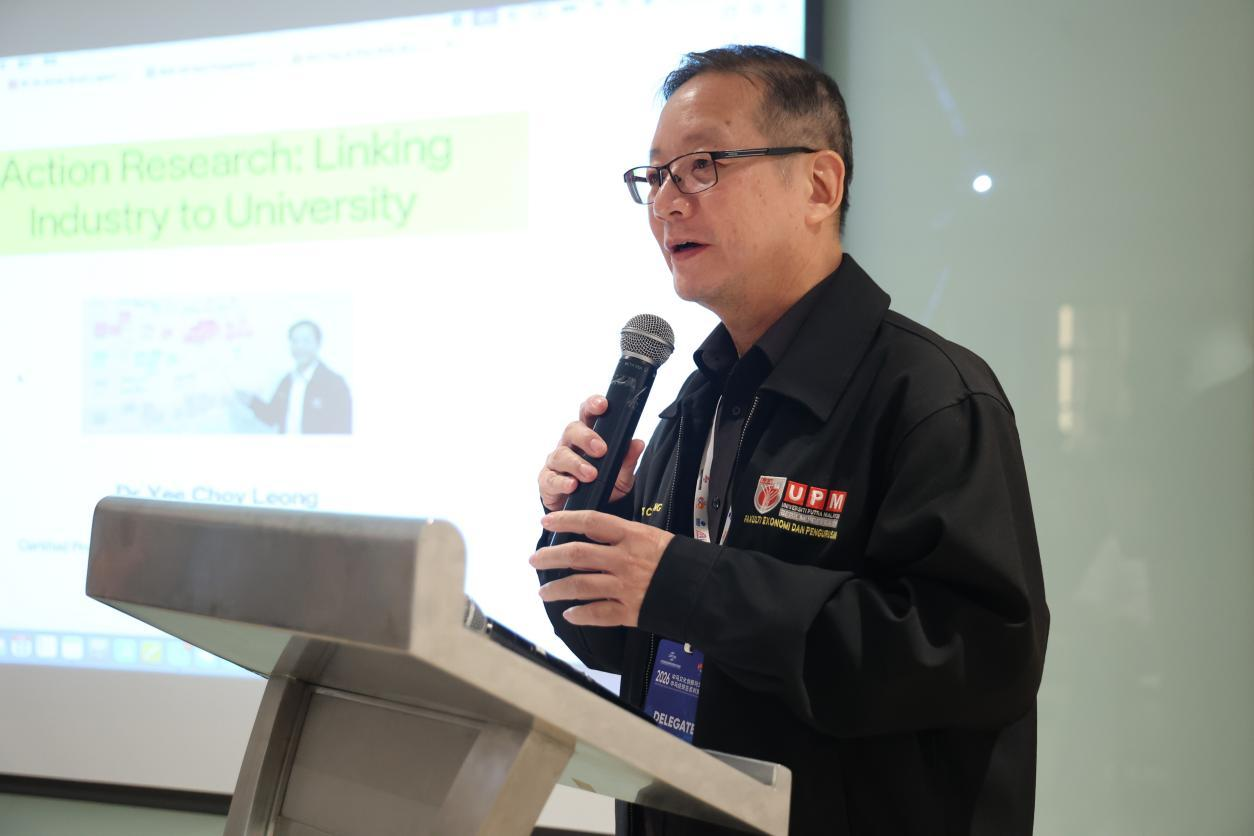
Pictured are guests from the School of Business, Universiti Putra Malaysia, sharing their insights on the theme of ‘Fostering University-Industry Collaboration
Strategic Partnerships Announced to Accelerate Business Collaboration
A major highlight of the summit was the announcement of several strategic cooperation initiatives designed to strengthen long-term collaboration between Malaysia and China.
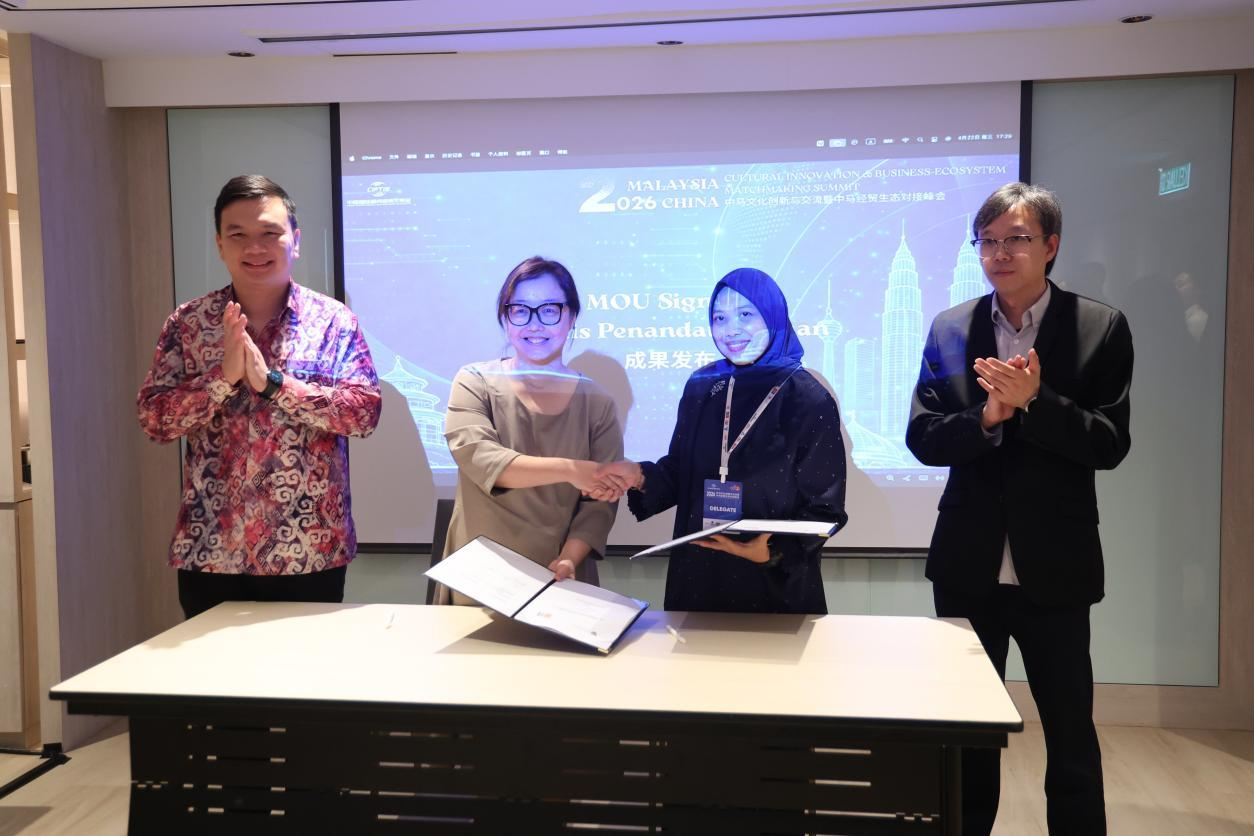
The Asian Innovation Research Hub (AIRH) signed Memoranda of Understanding (MoUs) with Universiti Malaya, the Malaysian Chinese Youth Association, the China New Economists Think Tank Enterprise Global Expansion Alliance, the Institute of Integrity and Brand, and several other partner organizations. The agreements will focus on supporting international business expansion, brand globalization, content innovation, and industrial collaboration, further reinforcing the central role of enterprises within the bilateral cooperation ecosystem.
The establishment of the Enterprise Innovation Research Center will also provide an important platform for technology adoption, industrial upgrading, and the commercialization of research outcomes, accelerating the journey from innovation to market.
Businesses Become the Driving Force Behind Malaysia–China Cooperation
Participants widely agreed that as artificial intelligence and the digital economy continue to reshape global industries, businesses are becoming the primary engine of Malaysia–China cooperation.
Malaysian content creators, technology companies, and media platforms are increasingly engaging in regional partnerships, while Chinese enterprises continue to contribute advanced technologies and industrial capabilities. By leveraging their complementary strengths, both sides are creating new opportunities for cultural innovation and regional market expansion.
More importantly, collaboration is evolving from simple exchanges to concrete business partnerships, and from isolated projects to integrated ecosystems. This shift reflects a new stage of Malaysia–China cooperation—one driven by enterprises and anchored in practical, project-based collaboration.
Looking Ahead
From cultural exchange to commercial partnerships, from resource connectivity to institutional collaboration, the summit demonstrated the significant potential for Malaysia and China to deepen cooperation across trade in services, cultural innovation, artificial intelligence, and industrial development.
The event also highlighted the growing role of CIFTIS’s overseas initiatives in promoting international dialogue, facilitating business partnerships, and strengthening regional connectivity.
Looking ahead, all participating organizations will continue leveraging their respective platforms, resources, and local networks to accelerate the implementation of collaborative projects, creating new momentum for Malaysia–China relations and broader China–ASEAN cooperation.
Wednesday 22 April,2026
Media Contact
Asia Innovation Research Hub (AIRH)
Website: www.airh.my
Email: airhmy@airh.my